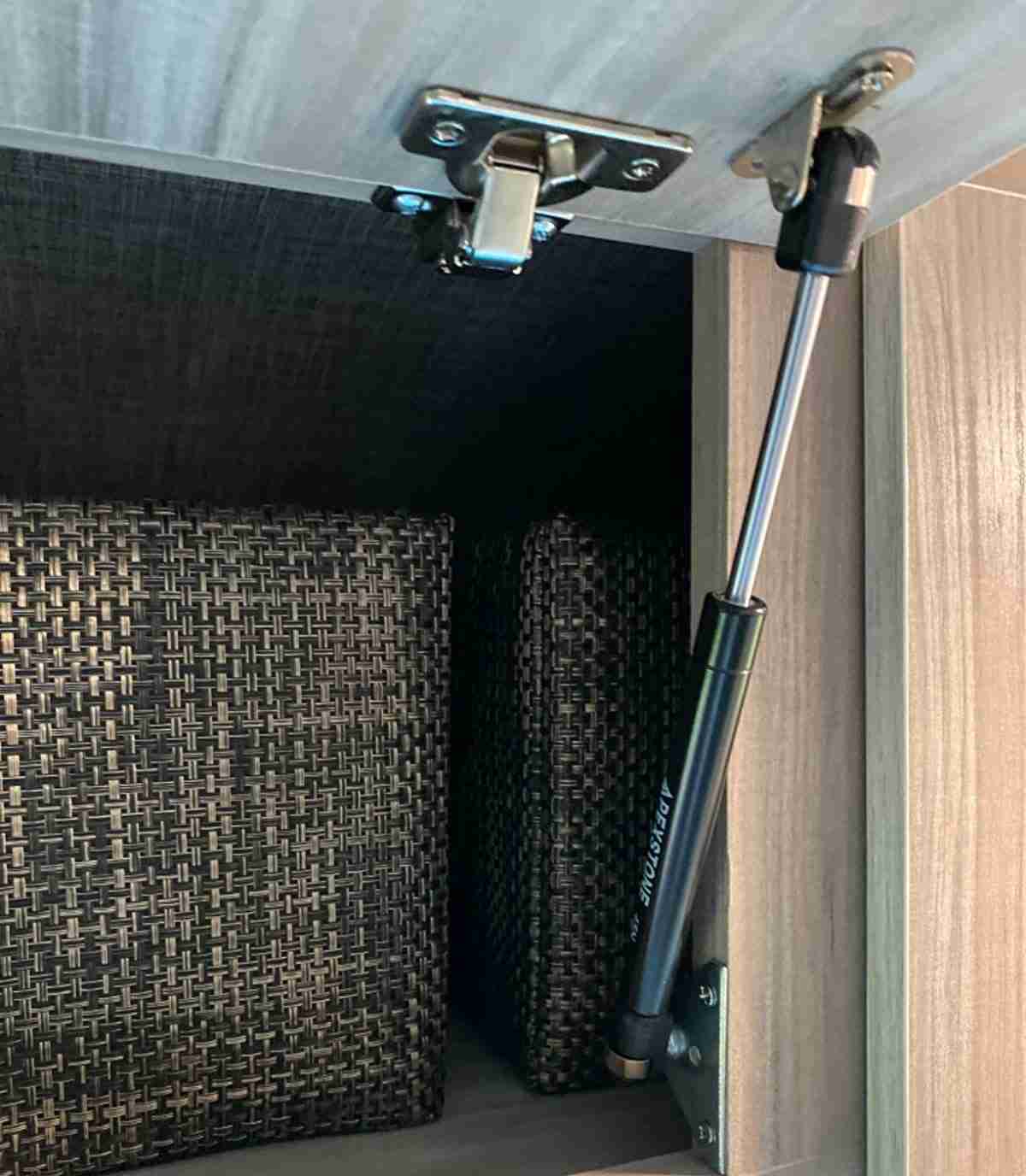
How to Install Soft-Close Gas Struts: A Step-by-Step Guide
Soft-close gas struts help control the closing motion of lids, covers, and hinged panels, preventing sudden slamming and making them safer and easier to use.

Installing gas struts on a lid is easier than many people think. With the correct gas strut size, proper mounting position, and a few basic tools, most lid lift support systems can be installed within 10 minutes.
Whether you are installing gas struts on a cabinet door, storage box, hatch door, or RV compartment, the key to a successful installation is selecting the correct gas spring and positioning the mounting points properly.
Gas struts, also commonly known as gas springs or gas shocks for lids, are widely used to provide controlled lifting support for various applications, including cabinets, benches, toolboxes, and storage compartments.
In this guide, we will walk you through the complete gas strut installation process, explain common mistakes beginners make, and share practical tips to help you complete the installation successfully on your first attempt.
If you are interested in other gas-assisted mechanisms, you can also check our previous guide:
How to Install Soft Close Gas Spring Hinges in 10 Minutes
Before installing your gas struts, prepare the following tools:
Having the correct tools ready will make the installation process faster and help prevent unnecessary adjustments.
Selecting the correct gas strut is the most important step. A properly sized gas spring ensures that your lid opens smoothly, stays securely open, and closes with the right amount of resistance.
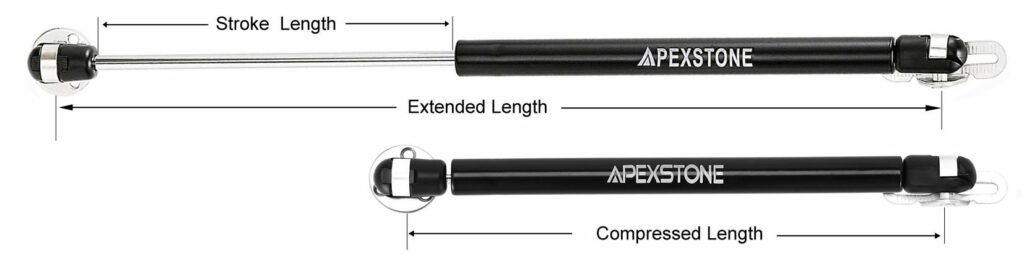
Before purchasing a gas strut, you need to determine several key measurements:
For a detailed explanation of each measurement, please refer to our guide:
Many lid applications require two gas struts instead of one.
Using only one lift support can create uneven pressure on the hinges, causing the lid to twist or placing additional stress on one side of the mechanism.
Unless the lid is very lightweight, we generally recommend installing a pair of gas struts to provide balanced support and improve long-term durability.
A stronger gas strut is not always better.
The correct force rating should be strong enough to support the weight of the lid while still allowing smooth closing. If the gas strut force is too high, you may experience problems such as:
If you have purchased gas struts but find that they are difficult to compress or the lid will not close properly, the problem may be related to excessive pressure or incorrect selection.
You can find possible causes and solutions in our troubleshooting guide:
How to Address the Issue of Not Compressed Gas Struts

After selecting the correct gas strut, the next step is determining the ideal mounting points.
Many gas struts include recommended installation positions in the mounting instructions. However, if your application does not provide specific guidance, you will need to consider:
Correct mounting positions are essential for achieving smooth movement and maximum lifting performance.
For a simple method to determine the correct mounting location, you can refer to:
An Easy Way to Calculate the Gas Strut Position
Before installing the gas strut, inspect both ends of the piston rod.
Make sure the threaded connectors and end fittings are securely attached. If any parts are loose, tighten them before mounting the gas spring.
Loose fittings may create unwanted movement and affect the overall performance of the lift support.

Installing brackets too close to the edge of the lid or box may prevent the lid from closing properly, especially when the lid has an overhanging design.
Whenever possible:
Proper bracket placement improves stability and reduces unnecessary stress.
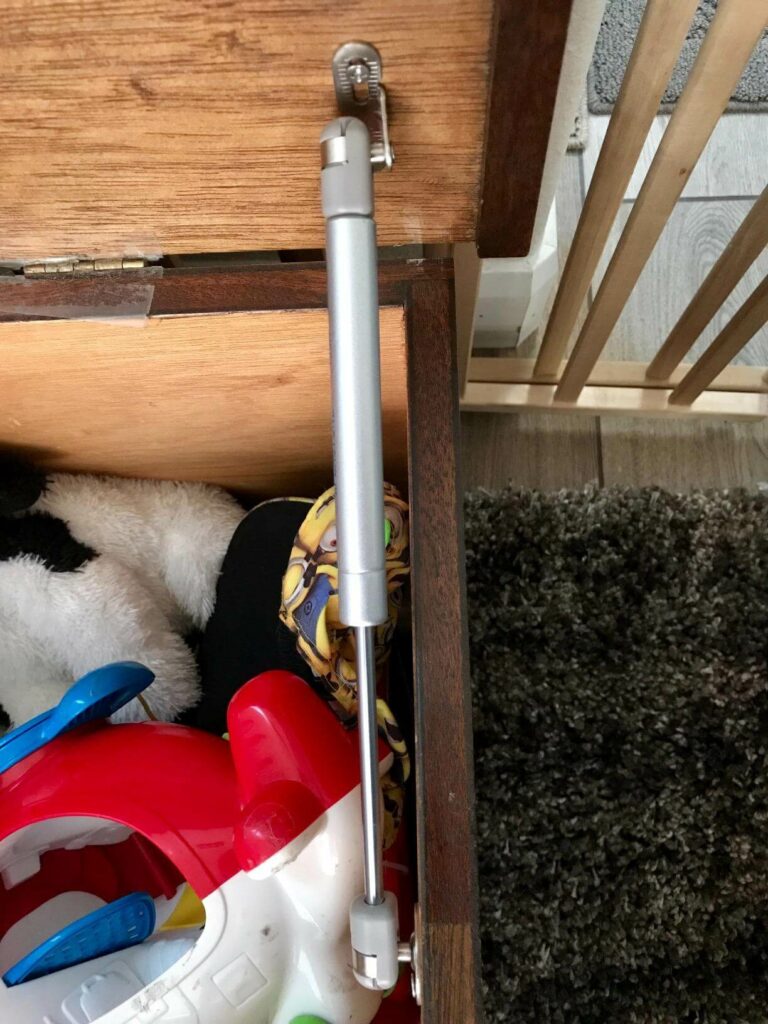
Whenever possible, install the gas strut with the piston rod facing downward when the lid is closed.
This position allows the internal oil to lubricate the seal and improves damping performance, helping extend the service life of the gas spring.
For many cabinet doors and storage boxes, the upper mounting point is usually positioned closer to the hinge rather than the center of the lid.
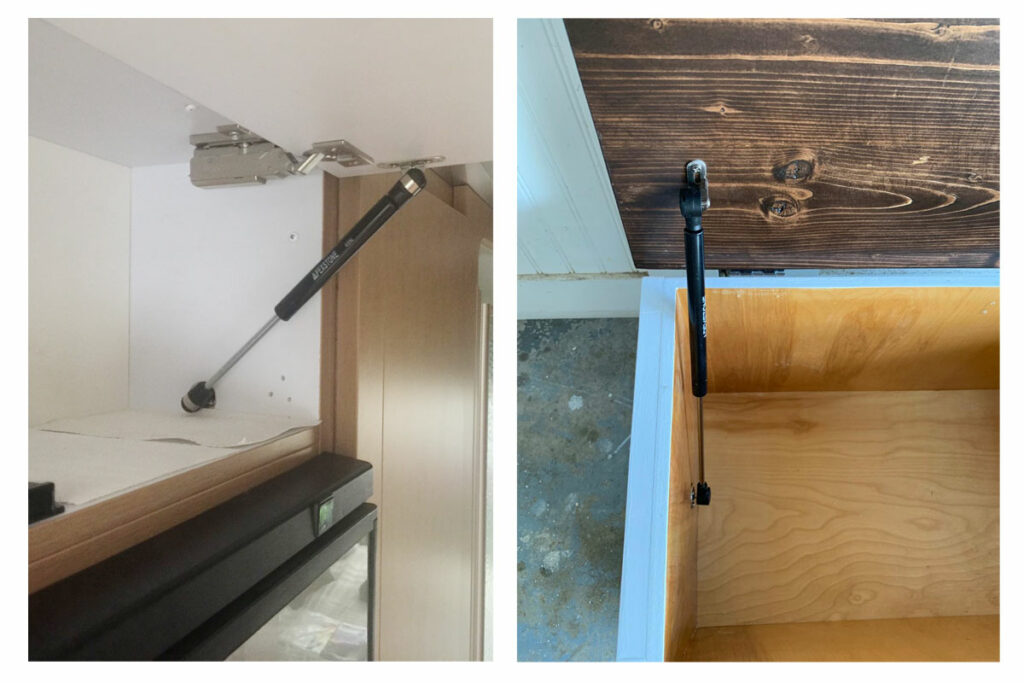
Before drilling, make sure there is enough space for the gas strut to compress when the lid is closed.
The mounting points should not be positioned too close together because the gas spring needs sufficient room to shorten during operation.
A simple checking method:
Remember that the gas strut does not always need to reach its fully compressed length during normal operation. Some adjustment flexibility is available.
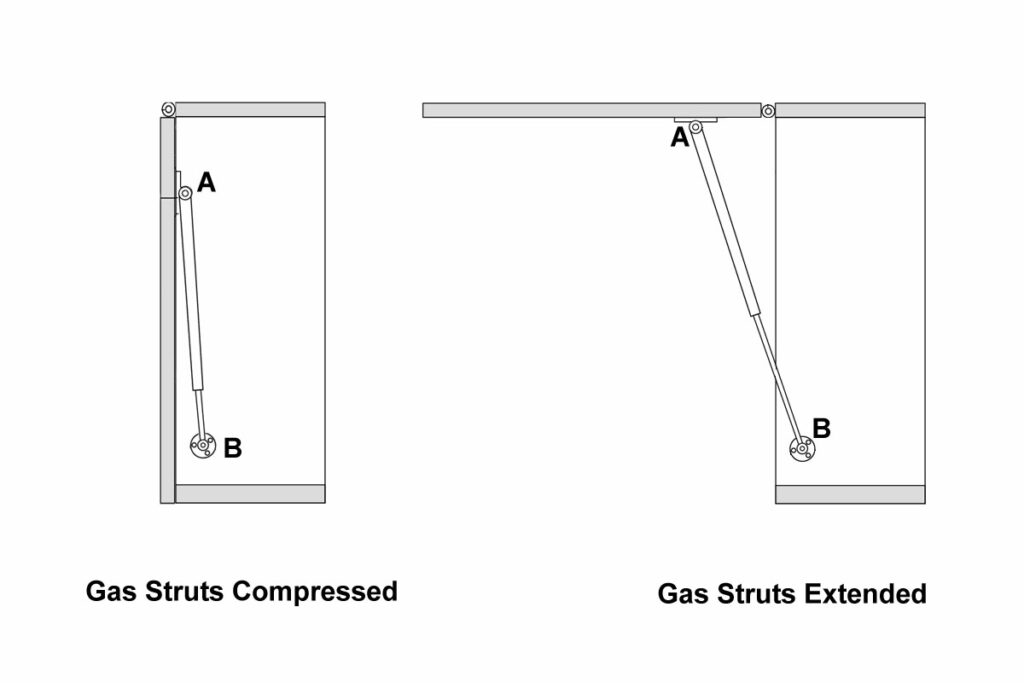
If you need to fine-tune the mounting location after installation, check our detailed guide:
How to Adjust Gas Struts Mounting Point
During your first installation attempt, avoid drilling all holes immediately.
Instead:
This approach helps prevent unnecessary holes caused by incorrect positioning.
If you are installing two gas struts, make sure both sides are positioned evenly.
Symmetrical installation helps distribute the load equally and prevents uneven pressure on the lid and hinges.

Once the brackets are positioned correctly, you can complete the installation.
Follow these steps:
During testing, check that:
If everything works correctly, tighten all remaining screws and complete the installation.
Congratulations — your gas strut installation is complete.
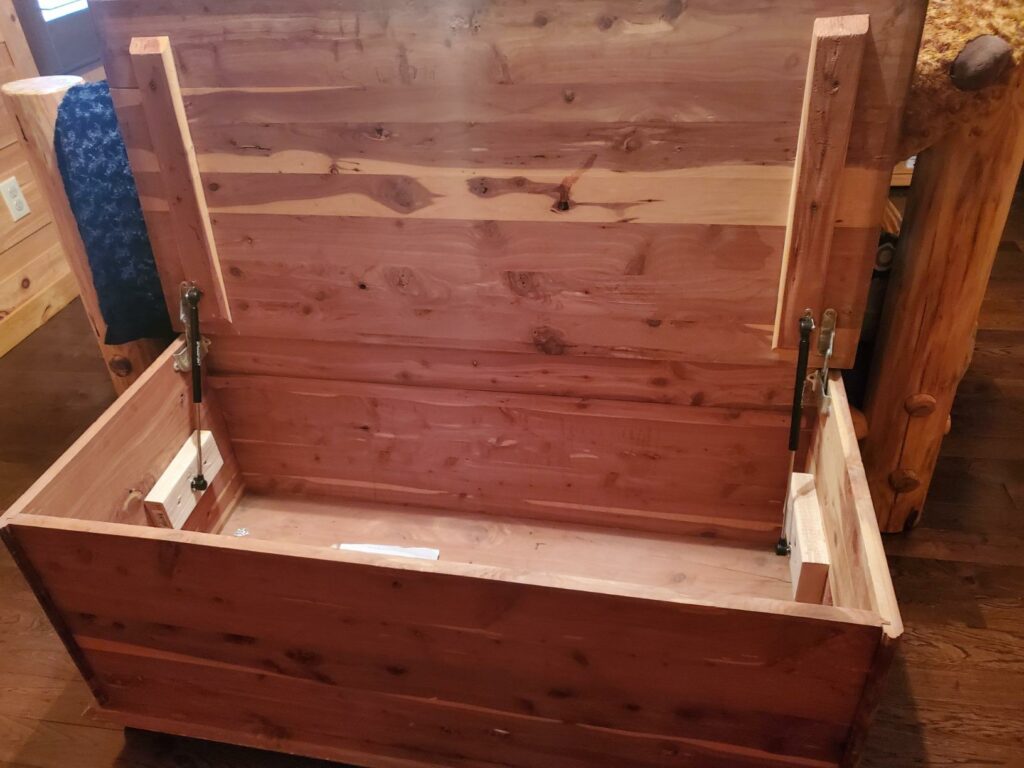
Although gas struts require very little maintenance, following these guidelines can help maximize their service life:
Yes. Most cabinet doors, storage boxes, and lightweight lids can be installed by one person using basic tools. Larger or heavier lids may require assistance during positioning.
Most applications benefit from using two gas struts because they provide balanced support and reduce stress on hinges.
A gas strut that will not compress is usually caused by excessive force rating, incorrect installation angle, or insufficient space for compression.
For troubleshooting solutions, see:
How to Address the Issue of Not Compressed Gas Struts
This usually means the gas strut force is too low for the lid weight, or the mounting position does not provide enough lifting support.
For most applications, install the gas strut with the piston rod facing downward when the lid is closed. This helps maintain proper lubrication and damping performance.
Choosing the correct gas strut depends on your lid weight, dimensions, opening angle, and available installation space.
If you are unsure which model you need, contact our team with your application details, measurements, or photos. We will help you select the right gas spring solution.
A properly selected and installed gas strut will provide smooth lifting support, reliable performance, and a longer service life.